Whizzystack

Operational visibility that removes chasing.

When leaders don’t have a reliable view of execution, coordination becomes manual — calls, spreadsheets, and follow-ups. This journey shows how we build a single operational view so exceptions surface early and teams run predictably.

Other case studies
These are three reference journeys — each one demonstrates an operating shift (not tool screenshots).
Proof Journey • Operational Visibility

From Blind Spots → Decision-Ready Visibility

Distributed teams were updating status across WhatsApp, calls, and spreadsheets. Leaders were getting partial signals late — and managers were spending time chasing, not improving.

This journey describes the system-level shift that created a trusted operating view — without adding reporting load.

How We Created Operational Visibility

We didn’t start with dashboards. We stabilised how work is owned, updated, and surfaced — then made visibility automatic.

1) Define ownership & workflow

Standardise what “in progress”, “blocked”, and “done” means — with clear owners and escalation.

Signal: fewer “who owns this?” follow-ups.

2) Make updates structured

Capture progress + blockers in a consistent format — so reporting isn’t a separate job.

Signal: higher compliance with less reporting fatigue.

3) Surface exceptions early

Make risks and delays visible in-time — so correction becomes routine, not firefighting.

Signal: earlier surfacing of gaps and SLA risk.

Before → After (What Changed)

These are operating shifts — not tool claims.
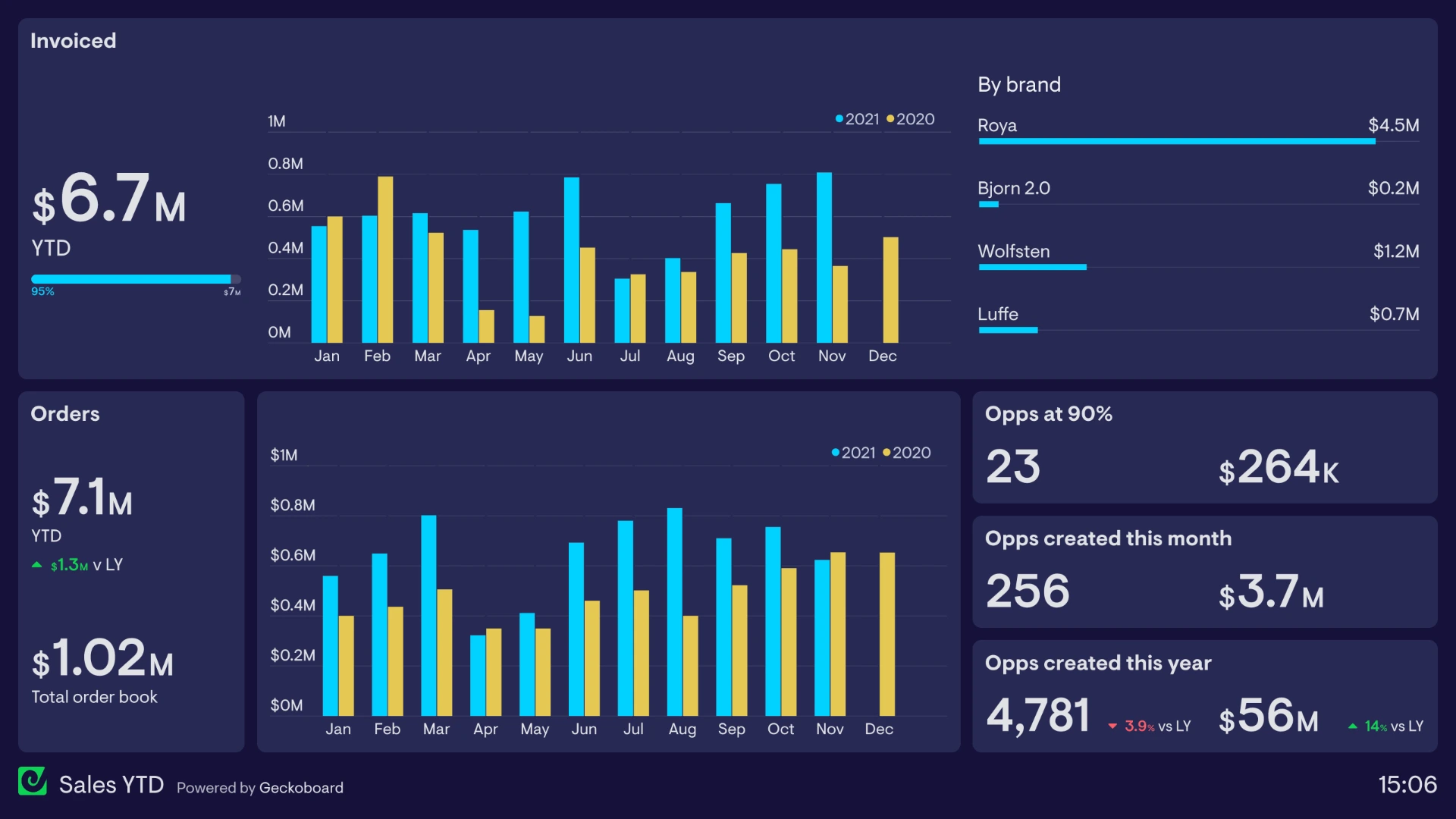
Before

Fragmented • follow-up driven
  • Status visibility depended on calls, messages, and manual updates.
  • Managers spent time chasing status instead of improving execution.
  • Exceptions surfaced late — after customer impact or SLA damage.

After

Connected • visible • predictable
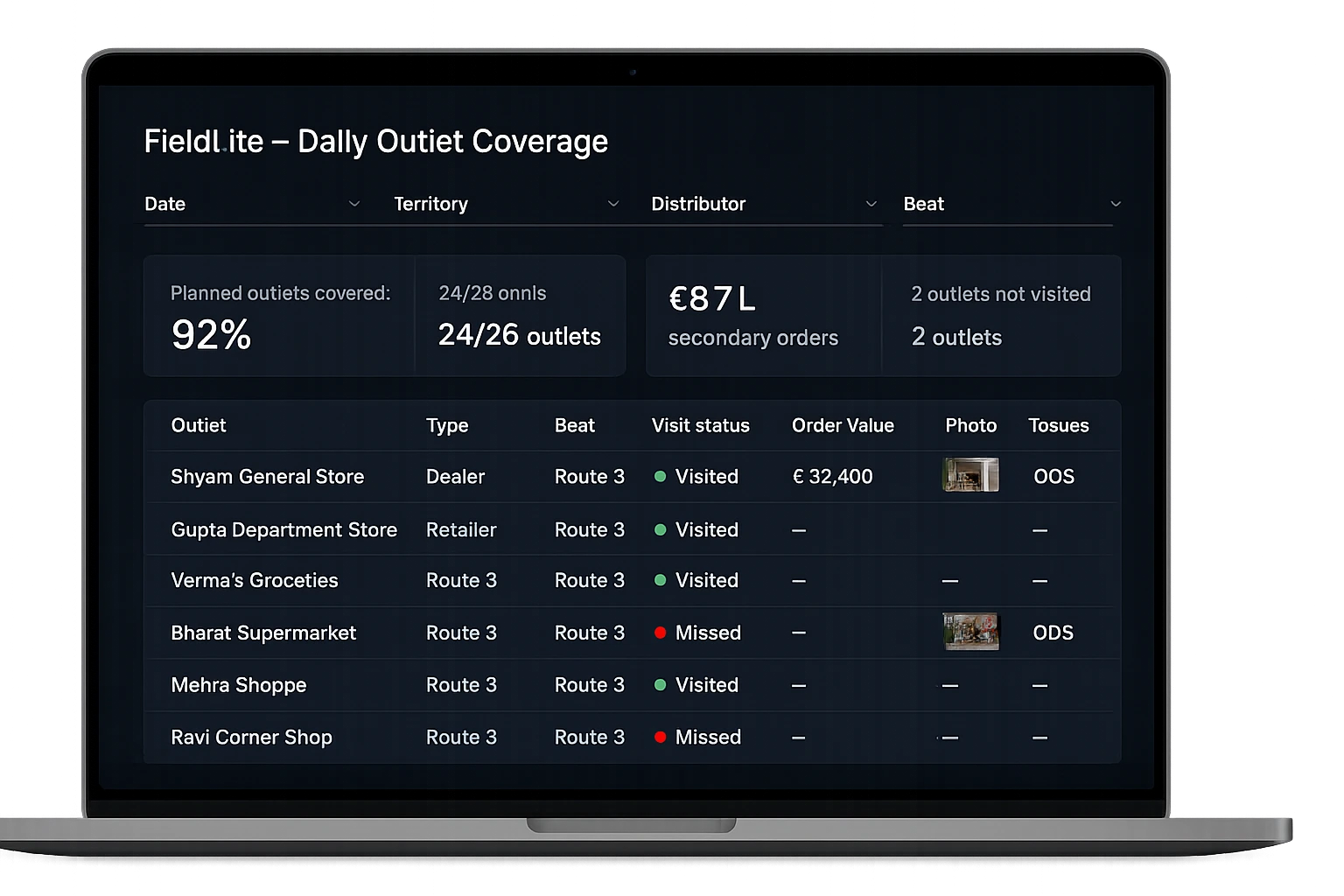
  • A single view of ownership, progress, and exceptions — without chasing.
  • Structured updates reduced reporting friction while improving compliance.
  • Risks surfaced early — correction became routine and measurable.

System Layers Used in This Journey

Not every layer was required on day one. The Pilot defined what was essential and sustainable.
Operating Workflow Layer Work definitions, ownership rules, status states, and escalation paths.
Structured Update Capture Consistent updates and evidence capture so reporting becomes automatic.
Leadership View A single view of progress + exceptions that leaders can trust.
Exception Rules Triggers for delays, missed updates, rework, and SLA risk — surfaced early.
AI Layer (only where useful) Summaries and exception highlighting — only if it reduces operational load.

Signals This Journey Typically Produces

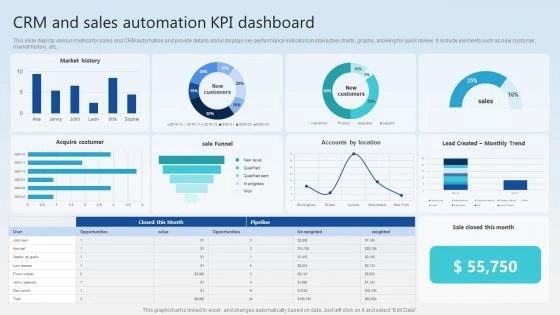
Directional outcomes observed across similar operational environments. Final measurement is defined during the Pilot.
Executive confidence without over-claiming

This shift replaces fragmented updates with a structured operating layer leaders can review, evaluate, and improve. The Pilot confirms fit, constraints, and measurable impact.

Lower follow-ups & status chasing

Structured updates replace manual coordination across calls and threads.

Earlier visibility into delays

Exceptions surface early enough to correct before SLA or customer impact.

Decision-ready reporting

Leadership receives a trusted view without manual consolidation work.

Where This Journey Pattern Applies

This is not “industry-specific.” It works wherever work is distributed and visibility depends on manual follow-ups.

Works best for

  • Teams where updates are spread across WhatsApp, calls, spreadsheets, and memory.
  • Managers who need visibility without spending the day chasing confirmations.
  • Operations with SLA risk or customer commitments where late signals are costly.

Not ideal if

  • Work is fully ad-hoc and there’s no repeatable flow to stabilise.
  • No operational owner exists to define workflow and enforce basic discipline.
  • The team wants “a tool” without aligning on workflow and ownership first.

If You Want This Shift in Your Operations

The next step is a Pilot — define measurement, confirm constraints, and validate the operating pattern before scaling.

Start with a Pilot

We map the workflow, define ownership and exceptions, and align success metrics. You get clarity and a blueprint — before any heavy build begins.

Tell us about your needs

We’ll get back to you within 24 hours

WHIZZYSTACK HQ 

All queries

Whizzystack Solutions
B-61, Sector 67, Noida, Delhi-NCR 201301 

Phone:  +91 95 6064 1297  |  0(120) 428 7309
E-mail : info@whizzystack.co
Web:  www.whizzystack.co

All queries

Whizzytack Solutions
B-61, Sector 67,   Noida, Delhi-NCR 201301 

Phone:  +91 95 6064 1297  |  0(120) 428 7309
E-mail : info@whizzystack.co
Web:  www.whizzystack.co

All queries

Whizzytack Solutions
111, Pemberton BLVD, Brown Mills, NJ 08015 US

Phone:  +91 95 6064 1297  |  0(120) 428 7309
E-mail : info@whizzystack.co
Web:  www.whizzystack.co

All queries


E-mail:
  info@whizzystack.co 
Web:  www.whizzystack.co

Click here to head over to our job search page.

[wpforms id="25922"]