Customer Communication That Stays On-Brand, On-Time, and Under Control
Most customer operations don’t break because teams don’t care.
They break because messages arrive across channels, ownership is unclear,
and escalations happen too late.
We design the end-to-end communication operating model — then implement the system that makes intake,
routing, templates, and SLA follow-through predictable at scale.
How We Stabilize Customer Communication
We don’t start with “chat tools.” We start with how messages enter your business, how ownership moves, and how escalation is enforced — then we make that flow consistent.
1) Capture every message cleanly
Consolidate inbound from WhatsApp, email, web forms, and social into a unified intake model — with proper tagging, customer context, and source visibility.
2) Route and escalate with rules
Assign by category, urgency, customer type, location, or product line — with escalation paths when SLA risk appears.
3) Make follow-through automatic
Automate acknowledgements, reminders, no-response nudges, and resolution loops — so customer experience stays consistent even after hours.
Before → After (What Changes in Customer Communication)
These are operating shifts — not platform claims.
Before
Fragmented • reactive- Messages arrive across channels, but ownership and visibility are inconsistent.
- Escalations happen late — SLAs depend on individual attention and manual chasing.
- Conversation history isn’t trusted — reporting and accountability break down.
After
Controlled • measurable • consistent- Every message is captured, tagged, and assigned with a visible audit trail.
- Routing and escalation are rule-driven — urgency is handled early, not after damage.
- Templates and workflows keep responses consistent and measurable across the team.
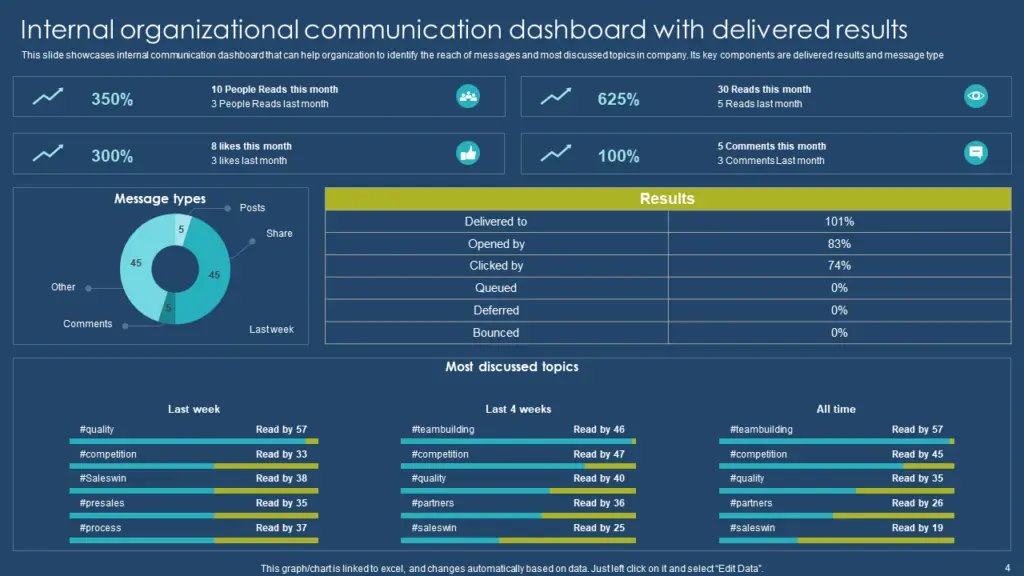
System Layers That Make Customer Communication Work
Not every layer is required on day one. We blueprint the full system during the Pilot, then implement only what your team can sustain.
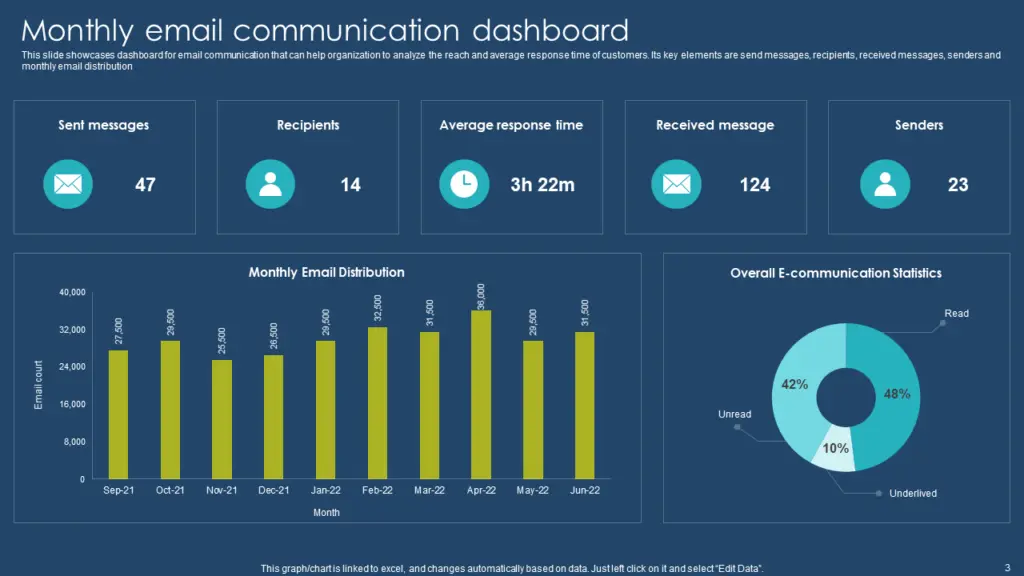
Signals We Typically Deliver
These are directional outcomes observed across customer operations. Real measurement is defined during the Pilot.
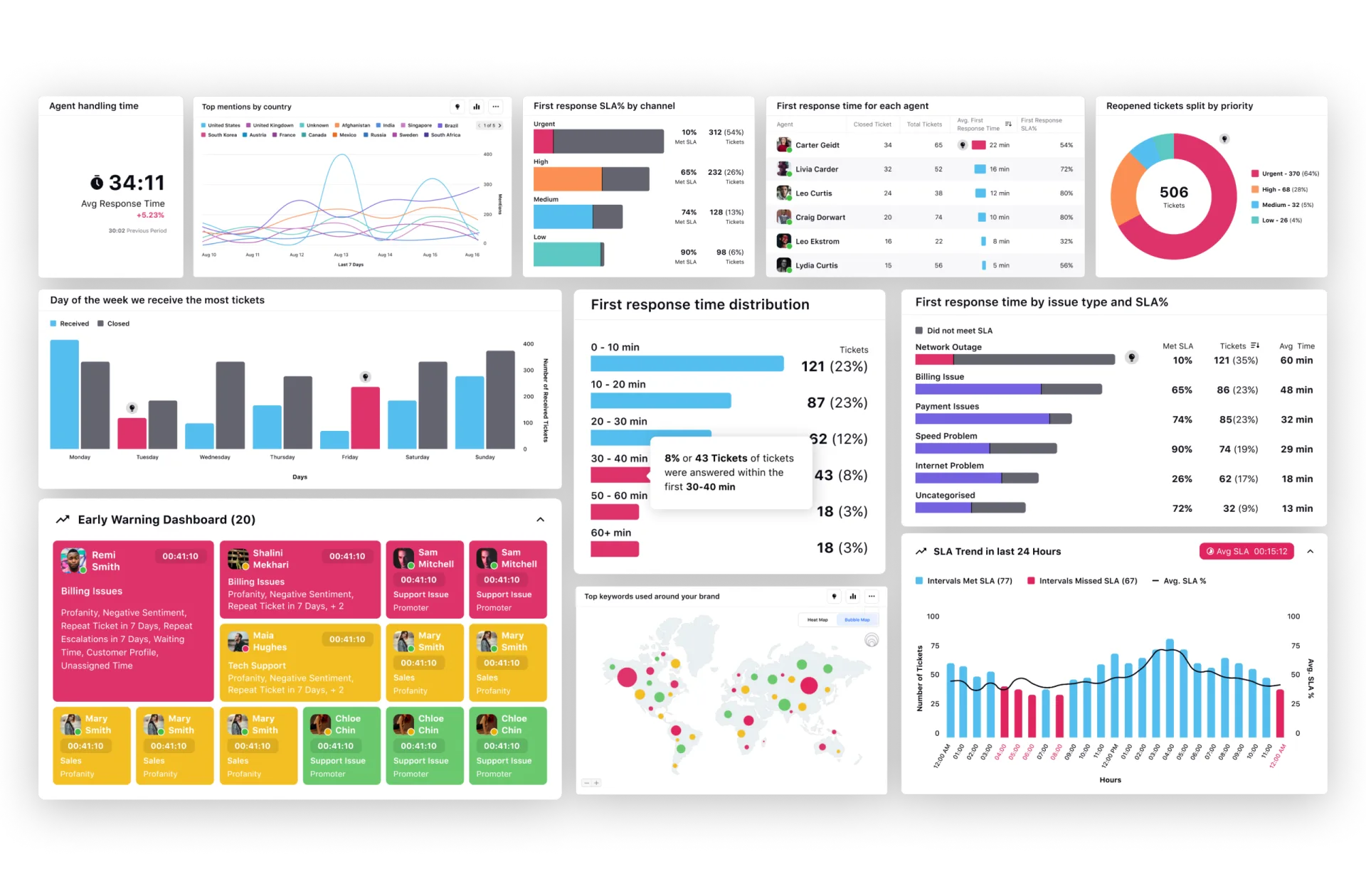
We stabilize customer communication so experience depends less on individual heroics and more on a system the team can run. The Pilot validates where breakdown happens, which routing rules matter, and what SLA metrics leadership can trust.
Intake and assignment become immediate — SLAs stop being guesswork.
Risks surface early with defined paths — fewer last-minute fire drills.
Templates and routing reduce rework and internal handoffs.
Where This Works Best
This is not “chat tool setup.” It’s an operating model for teams that need predictable customer communication execution.
Works best for
- Teams handling high inbound across WhatsApp/email/web with inconsistent response times.
- Operations where routing, escalation, and brand consistency materially impact retention.
- Organizations that need trustworthy conversation history and SLA reporting without micromanagement.
Not ideal if
- There’s no clear ownership model (who handles what, when, and how escalation works).
- The goal is “install a helpdesk” without changing intake, routing, and escalation behavior.
- Inbound volume is low and communication complexity doesn’t justify structured workflows.
If This Matches Your Customer Reality
The next step is a Pilot — to map your inbound channels, define routing and escalation rules, align templates and approvals, and validate measurable SLA improvement before scaling automation.
Start with a Pilot
We map your inbound sources, define routing and escalation standards, and align KPIs like first response time, SLA adherence, resolution time, and repeat contact rate. You get a blueprint — not a tool dump — before any build begins.