
Training Programs That Run Reliably at Scale
Training delivery is distributed by nature — across trainers, coordinators, locations, and schedules.
What breaks down is not intent. It’s attendance integrity, outcome capture, and centralized visibility.
We design the operating model end-to-end, then implement the system that makes training execution measurable and dependable.
How We Stabilize Training Delivery
We don’t start with tools. We start with how delivery happens — then we design the system that makes attendance and outcomes visible and dependable.
1) Plan & assign delivery clearly
Standardize session planning, trainer ownership, coordinator handoffs, and escalation — so delivery stops relying on memory.
2) Make attendance & outcomes structured
Capture attendance, session notes, outcomes, and next actions in a consistent format — so reporting doesn’t become a separate job.
3) Make program execution visible
Give coordinators and leadership a clean view of delivery and exceptions — so intervention becomes routine, not reactive.
Before → After (What Changes in Training Programs)
These are operating shifts — not technology claims.
Before
Fragmented • follow-up driven- Attendance and session status depend on calls, messages, and manual confirmation.
- Coordinators spend time chasing updates instead of improving delivery quality.
- Outcome gaps surface late — often after cohorts fall behind or targets are missed.
After
Connected • visible • predictable- A single view of sessions, trainers, attendance, outcomes, and exceptions — without chasing.
- Structured attendance + outcome capture reduces reporting fatigue for trainers.
- Exceptions surface early — intervention becomes routine and measurable.
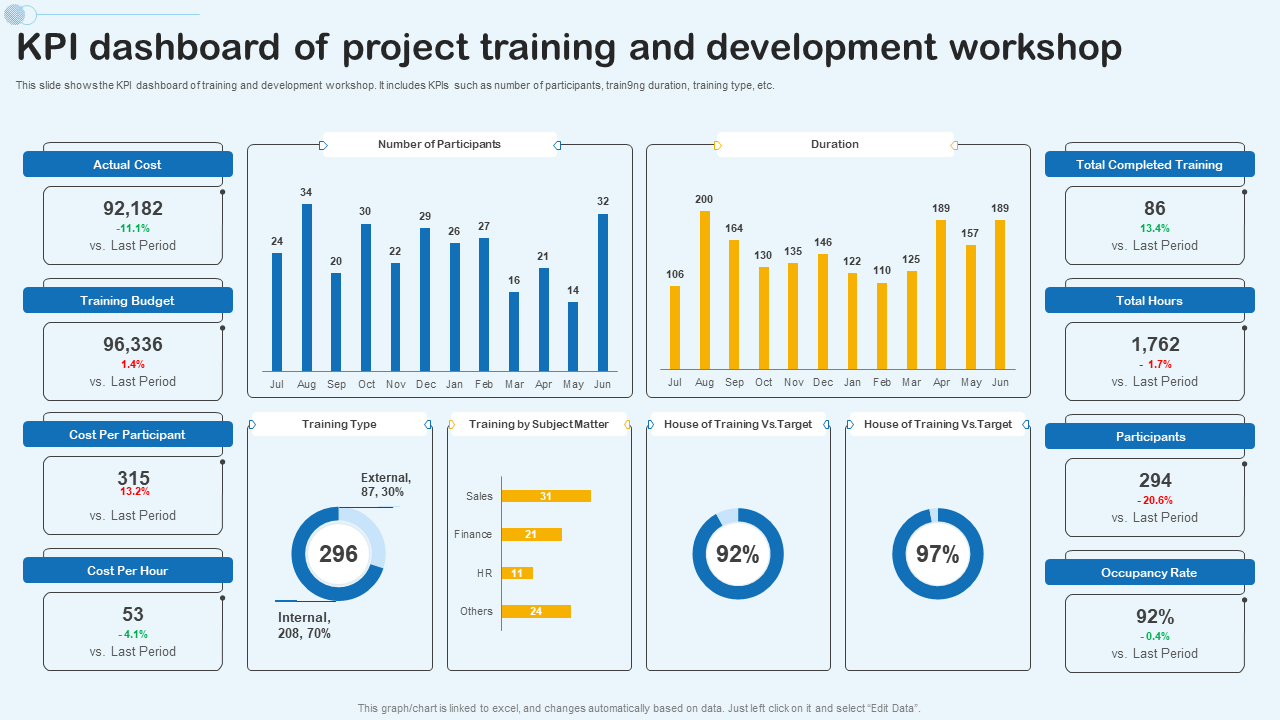
System Layers That Make Training Delivery Work
Not every layer is required on day one. We design the blueprint first, then implement what your program environment can sustain.
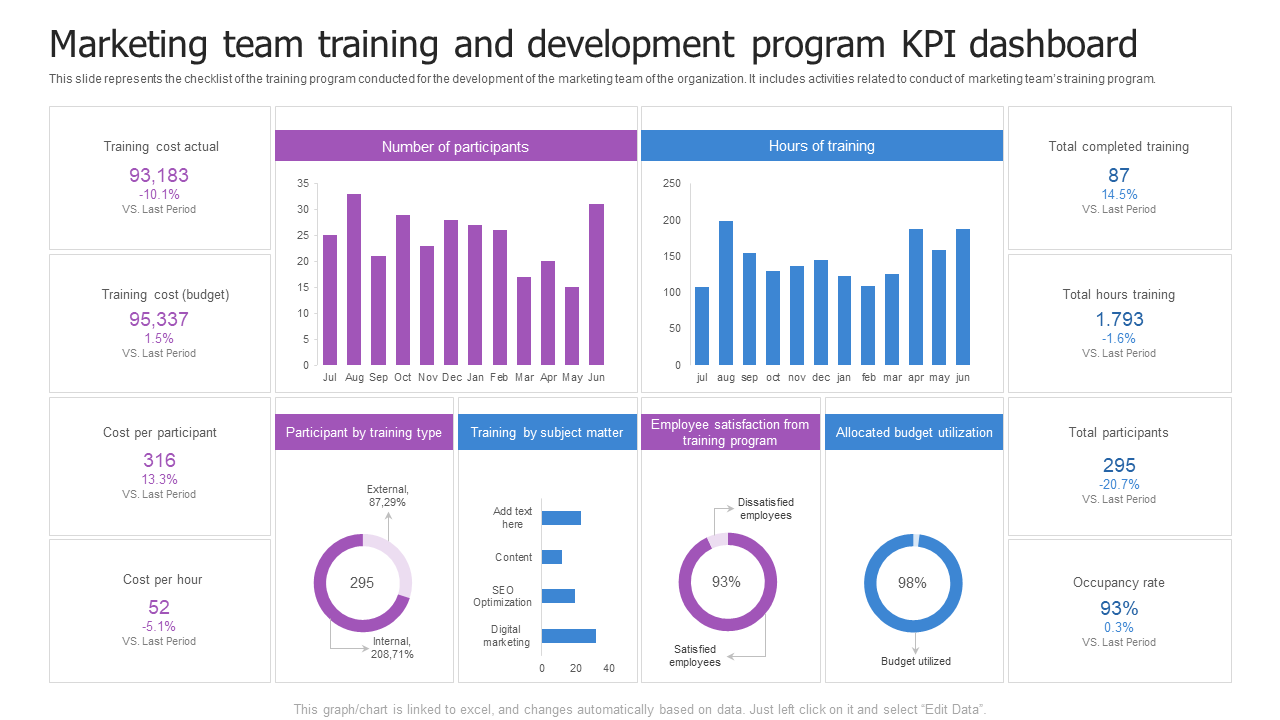
Signals We Typically Deliver
These are directional outcomes observed across training contexts. Real measurement is defined during the Pilot.
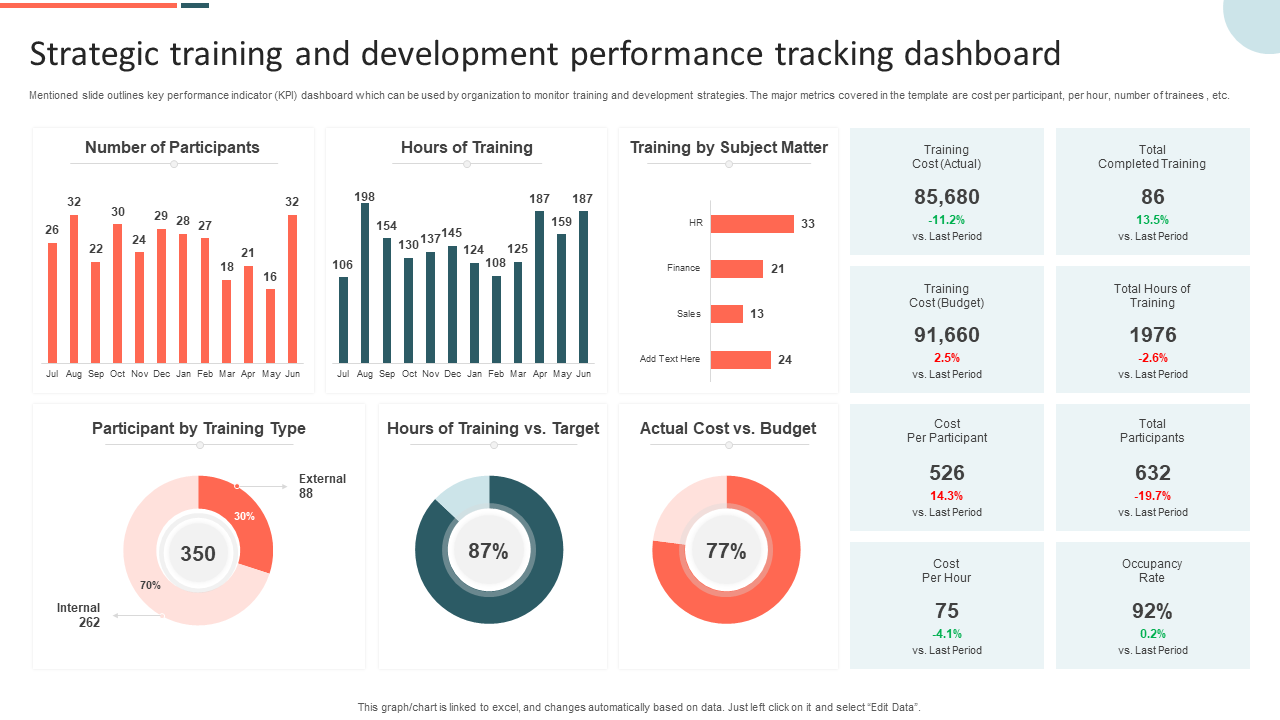
We guide institutions to a system that fits how training actually runs — and that coordinators and leadership can operate without constant follow-ups. The Pilot confirms fit, constraints, and measurable impact.
Structured attendance and outcomes replace manual chasing across calls and threads.
No-shows and missing outcomes surface early enough to correct before cohorts fall behind.
Compliance improves when reporting is part of delivery, not extra admin work.
Where This Works Best
This is not “education-only.” It’s where this operating model delivers the strongest leverage.
Works best for
- Multi-center training programs with repeatable session delivery at volume.
- Coordinator-led delivery models that need visibility without constant follow-ups.
- Programs with compliance, reporting requirements, or outcome targets across cohorts.
Not ideal if
- Delivery is fully ad-hoc with no repeatable session model to stabilize.
- There’s no operational owner to define standards and enforce basic discipline.
- The organization is looking for “a tool” without aligning on the delivery model first.
If This Matches Your Delivery Reality
The next step is a Pilot — to define measurement, confirm constraints, and validate the operating model before committing to scale.
Start with a Pilot
We map the delivery workflow, define ownership and exceptions, and align success metrics. You get clarity and a blueprint — not a sales pitch — before any build begins.