
Outcomes That Matter at the Operations Level
We don’t measure success by features shipped or tools deployed.
We measure outcomes by how clearly, predictably, and efficiently operations run once the system is in place.
Every environment is different — but the direction of change is consistent.
Outcome Framework (Before → After)
Across teams, industries, and geographies, we typically see shifts across five operating dimensions:
Visibility
Leadership sees execution without chasing.
Operational data lives across people, tools, and conversations. Status depends on follow-ups.
A single real-time view of work status, exceptions, and progress — without chasing.
Execution Predictability
Defined flows, early signals, routine correction.
Delivery depends on manual coordination. Timelines slip quietly until escalation.
Ownership is clear. Delays surface early. Correction becomes routine, not reactive.
Reduced Manual Load
Automation reduces admin drag.
Spreadsheets, reminders, and reconciliation compete with real delivery work.
Repetitive coordination is automated — teams focus on decisions and delivery.
Accountability Without Micromanagement
Transparency replaces supervision.
Accountability relies on supervision or end-of-day reporting. Trust via control.
Progress is visible. Responsibilities are clear. Teams operate with autonomy.
Scalable Operations
Growth adds complexity — not chaos.
Processes break under growth. Each expansion feels like starting over.
The model scales across teams, locations, and volume — without chaos.
Net Effect
Systems replace ad-hoc execution.
Information moves faster, ownership becomes clearer, execution becomes measurable.
Not “more tools” — less friction across work that already exists.
Representative Client Journey
A single example of how systems thinking changes execution — without turning this page into marketing.
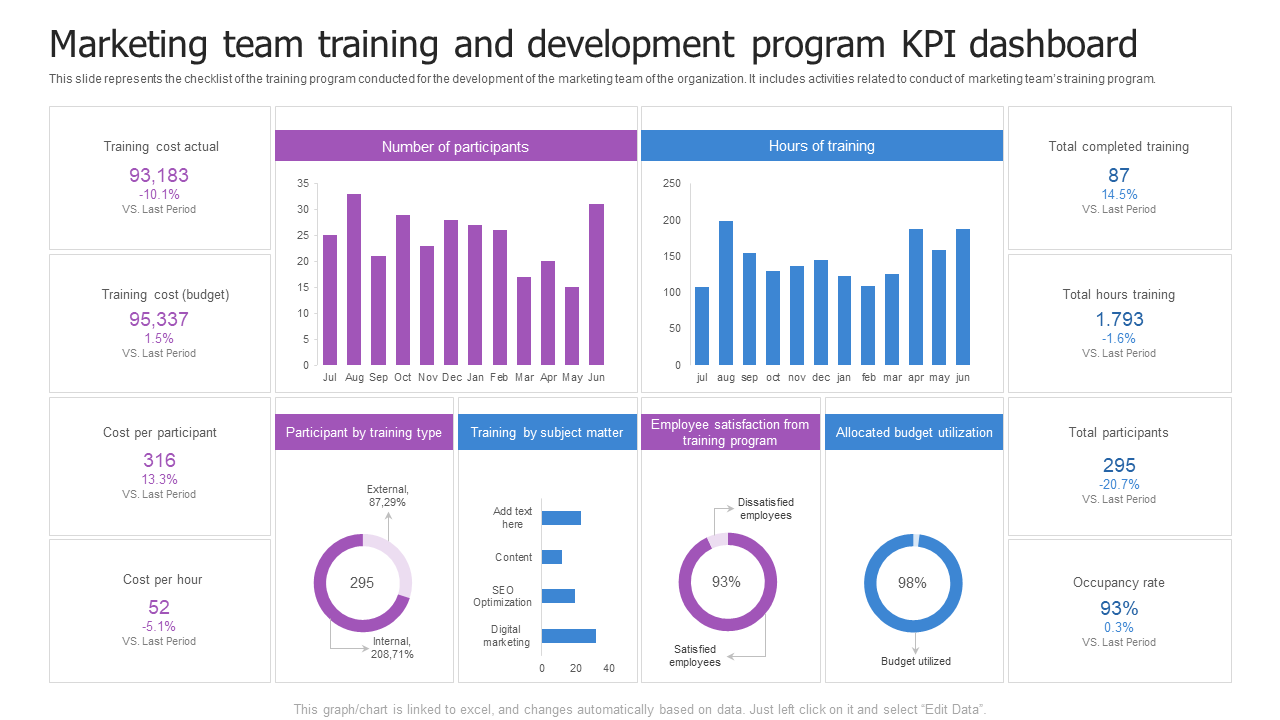
We helped a distributed team move from follow-up driven execution to a system where work status, exceptions, and ownership were visible — without additional reporting burden. The result was fewer operational surprises and faster routine correction.
What This Enables for Leadership
These are not technology outcomes. They are operations outcomes.
- Faster, more confident decision-making
- Fewer operational surprises
- Clearer ownership across teams
- Reduced dependency on heroic effort
- Systems that support growth instead of resisting it
Start with a Pilot
The Pilot defines measurement, validates the operating model, and reduces implementation risk. You get clarity before committing to scale.
How We Measure Outcomes
We don’t apply generic KPIs. Measurement is defined during the Pilot and tied to your operating context.
Cycle time reduction
Less waiting, fewer handoffs, smoother throughput across the workflow.
Turnaround consistency
Execution becomes more predictable — fewer “quiet” slips.
Management overhead reduction
Fewer follow-ups and status rituals — leaders get signal without noise.
The goal is not dashboards for their own sake — it’s clarity leaders can act on.
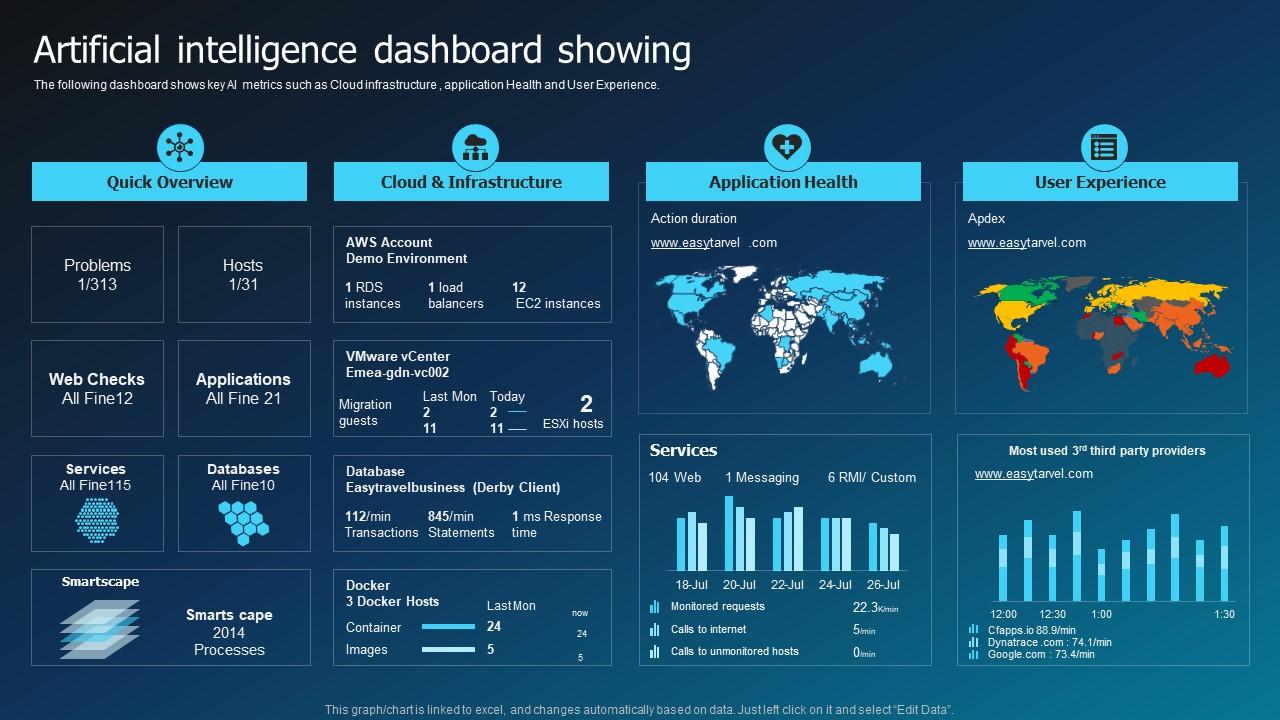
A Clear View of the Operating System
This is where a single screen communicates what “clarity” looks like — without overexplaining.
How to Read This Page
This is designed to build confidence without over-claiming.
A pattern summary drawn from real operating environments — across teams, tools, and workflows.
A promise of identical results, or a substitute for understanding your specific context.
The Pilot — where measurement, constraints, and success criteria are defined upfront.
Every organisation starts from a different place. These outcomes don’t come from installing software —
they come from designing the right operating system and executing it deliberately.
If you want to understand what these outcomes could look like in your environment, the next step is a Pilot.